Comprehensive Pickering General Contractor Services for Every Property
Established General Contractor: Converting Dreams Into Tangible Outcomes
A reliable general contractor holds a key role in turning architectural concepts into physical structures. By administrating timelines and budgets, they make sure projects flow well. Their expertise fosters a collaborative environment, crucial for reducing risks. However, not all contractors are created equal. Understanding how to choose the right one is fundamental for any successful project. What essential qualities should one look for, and how can they affect the overall outcome?
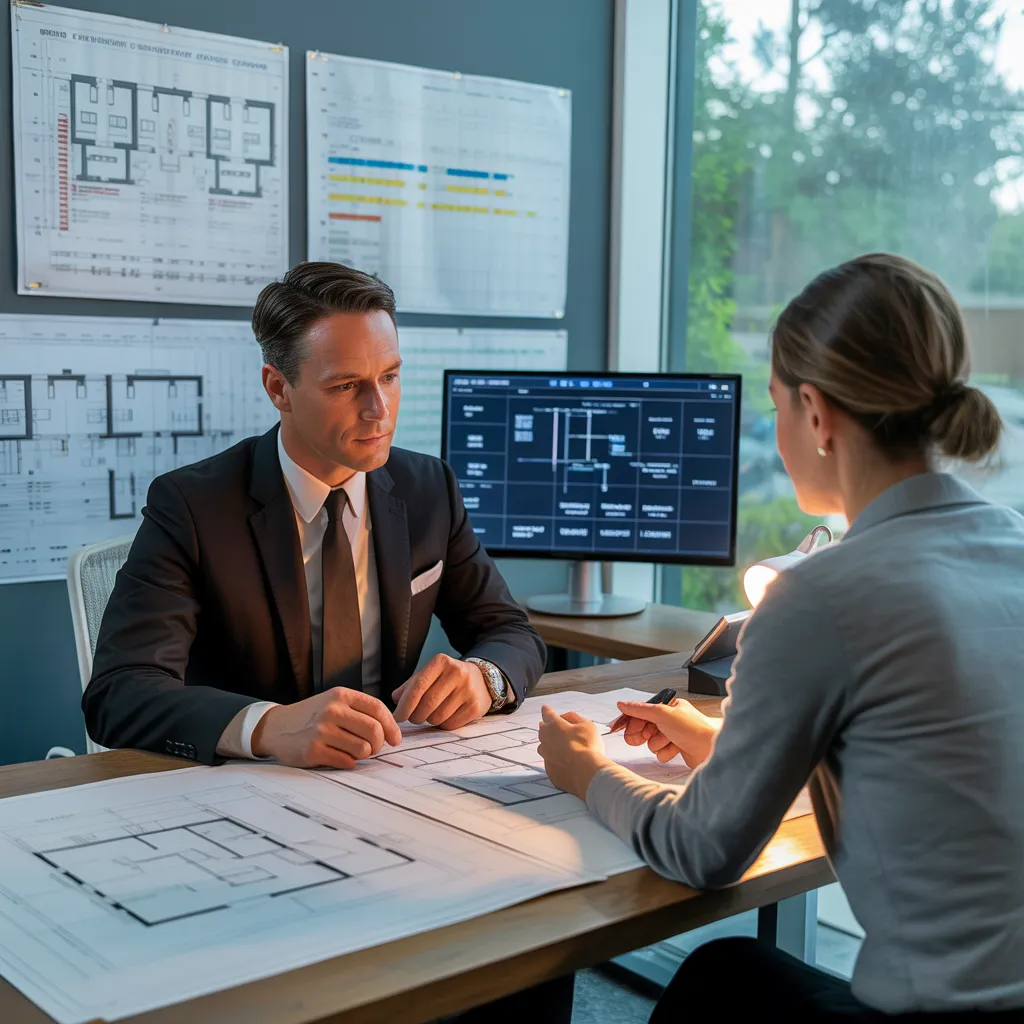
What Approaches Help You Determine a Dependable General Contractor?
Can a person assess the trustworthiness of a general contractor? Reviewing a contractor's reputation is crucial. An effective method involves obtaining suggestions from personal contacts and web-based feedback, which supply information regarding historical results and patron contentment. Furthermore, verifying proper licensing and insurance ensures that the contractor complies with sector guidelines and protects against potential liabilities. Inspecting earlier assignments, by reviewing work samples or on-site inspections, helps you to evaluate the standard of their construction expertise.
Furthermore, getting multiple quotes allows for evaluation of pricing and construction timelines, uncovering any inconsistencies that may suggest untrustworthiness. Effective dialogue is an additional critical element; a reliable contractor should be attentive and clear in their communications. Finally, reviewing references can offer useful information about a contractor's work ethic and reliability. By adhering to these steps, one can create well-researched choices when choosing a construction contractor for building projects.
Vital Traits of a Top-notch General Contractor
An outstanding building professional embodies core attributes that establish project success. Robust interpersonal expertise facilitate straightforward communication with clients, trade specialists, and distributors, while demonstrated expertise in project coordination secures timely and budget-conscious delivery. These traits are indispensable in manifesting dreams into substance.
Strong Dialogue Skills
While effective project management is crucial for a general contractor, powerful communication skills often serve as the cornerstone for fruitful partnerships. These competencies facilitate a contractor to clearly convey project objectives, making certain that all team members and stakeholders are unified. Clear communication strengthens trust, permitting for transparent discussions about timelines, budgets, and changes. A good general contractor carefully hears out clients, subcontractors, and suppliers, handling issues promptly and adjusting to feedback. This two-way dialogue not only improves issue resolution but also builds a positive working environment. Additionally, clear communication prevents misunderstandings, which can lead to costly delays or errors. Ultimately, robust communication abilities empower a general contractor to handle obstacles effectively, guaranteeing that projects progress smoothly from inception to completion.
Demonstrated Project Management Skills
Exhibiting verified project management experience is important for any general contractor striving toward success. Effective project management requires detailed planning, resource allocation, and timeline adherence. A seasoned contractor demonstrates the ability to coordinate various teams, ensuring architects, engineers, and subcontractors cooperate effectively. Moreover, they expertly navigate challenges, utilizing problem-solving skills to keep projects on track and within budget. Their experience enables them to foresee potential issues, minimizing risks before they grow. In addition, strong project management fosters transparency, allowing clients to stay informed during the construction process. By prioritizing quality control and following safety standards, a general contractor with verified experience delivers outstanding results and builds long-lasting relationships rooted in trust and reliability.
The Gains of Selecting a Trustworthy General Contractor
Contracting with a reliable general contractor yields significant advantages in any building project. Their proficiency and background guarantee that tasks are completed to superior standards, while also enhancing time and cost efficiency. This combination gives property holders and enterprises to focus on their aspirations without the pressure of project management.
Expertise And Background
Engaging a dependable general contractor brings a rich source of proficiency and experience to any construction project. Their in-depth knowledge of building full article codes, regulations, and industry standards secures that every aspect of the construction process is aligned and well-managed. Seasoned contractors have honed their skills through countless projects, allowing them to predict potential challenges and devise effective solutions. Their established relationships with subcontractors and suppliers further improve the quality of work and materials used. Additionally, a competent general contractor demonstrates strong project management skills, coordinating timelines, budgets, and resources effectively. This expertise not only reduces risks but also builds a collaborative environment, turning a client’s vision into a real reality while maintaining high standards throughout the construction journey.
Schedule and Cost Efficiency
A reliable general contractor greatly enhances the efficiency of both time and cost in construction projects. By coordinating multiple subcontractors and suppliers, they simplify workflows, minimizing delays and ensuring that tasks are completed on schedule. Having solid relationships in the industry often results in better pricing for materials and labor, which lowers total project costs. Furthermore, an skilled contractor anticipates potential issues early, providing timely fixes that prevent costly hold-ups. Thanks to their project management knowledge, they efficiently allocate resources, making sure labor and materials are used effectively. Finally, choosing a trustworthy general contractor not only quickens project timelines but also preserves the budget, delivering clients peace of mind and trust in their investment.
Simplifying Your Venture With a General Contractor
Successful project administration often relies on the knowledge of a general contractor. By acting as the central point in the construction undertaking, a general contractor manages various aspects of the project, ensuring seamless communication among subcontractors, suppliers, and clients. This unified approach reduces delays and decreases the probability of miscommunication, which can lead to expensive mistakes.
A main contractor streamlines the workflow by setting up transparent deadlines and plans, allowing all participants to stay synchronized with project objectives. They also possess the knowledge to anticipate challenges, supporting forward-thinking conflict resolution. Moreover, they oversee permits and inspections, easing the responsibility on clients and confirming compliance with local regulations.
Ultimately, the involvement of a experienced general contractor converts complex projects into controllable responsibilities, enabling homeowners and developers to concentrate on their vision while enjoying peace of mind throughout the construction process. This partnership fosters a more streamlined and successful project outcome.
Top 5 Missteps to Sidestep When Deciding On a Contractor
How can homeowners ensure they choose the right contractor for their project? Steering clear of common pitfalls is crucial. First, homeowners should avoid choosing a contractor solely based on the lowest bid. Quality often comes at a price, and a low estimate may signal inadequate experience or hidden costs. Second, failing to check references can lead to selecting someone unreliable or unreliable. Third, neglecting to verify licenses and insurance can expose homeowners to legal and financial liabilities. Fourth, not discussing project timelines in detail may result in unexpected delays and frustrations. Ultimately, homeowners often overlook the importance of clear dialogue. A contractor who doesn't listen to concerns or provide updates can create misunderstandings. By steering clear of these mistakes, homeowners can enhance their chances of selecting a contractor who will effectively bring their vision to life.
Critical Matters to Address Before Signing a Document?
What necessary questions should residents weigh before committing to a arrangement with a professional? At the outset, they should question the professional's licensing and insurance status. Sound credentials shield homeowners from probable exposure. Following this, requesting references and assessing past projects can furnish insight into the professional's reliability and work quality. Homeowners should also explore timelines—comprehending the projected start and completion dates is vital for planning.
Additionally, defining payment arrangements is essential; homeowners must be aware of the required deposit and the payment plan for additional payments. Moreover, homeowners should inquire about what will happen if unforeseen challenges arise during the job, covering change orders and how they will be handled. Finally, understanding warranty terms on both workmanship and products can deliver confidence. By addressing these concerns, homeowners can make informed decisions and set up a firm base for their endeavor.
Creating a Durable Partnership With Your General Contractor
Forming a strong rapport with a general contractor can tremendously improve the overall experience of a home construction or renovation project. Open communication is the cornerstone of this association, encouraging reliability and openness. Homeowners should prioritize open dialogue, discussing expectations, timeframes, and budget considerations early in the process.
Frequent check-ins and feedback can help manage issues without delay, ensuring that both parties remain aligned throughout the project. Additionally, expressing appreciation for the contractor's expertise can build mutual respect and promote a collaborative atmosphere.
Being adaptable is also crucial; recognizing that obstacles may arise can enable problem-solving and adaptation. A positive relationship can result in better quality work, as contractors are more likely to dedicate extra effort when they feel valued. In the end, a enduring relationship with a general contractor not only contributes to a thriving venture but can also generate possibilities for upcoming projects.
Often Asked Concerns FAQ
How Do General Contractors Manage Unexpected Project Changes?
General contractors manage unexpected project changes by assessing circumstances, informing relevant parties, adjusting timelines and budgets, and implementing solutions. Flexibility and problem-solving skills are crucial in ensuring projects stay on track despite unforeseen challenges.
What Ranges of Projects Do Construction Companies Normally Administer?
General contractors commonly oversee a variety of undertakings, including residential renovations, commercial construction, infrastructure expansion, and specialized installations. Their expertise includes organization, budgeting, and scheduling, guaranteeing timely delivery across diverse construction types and complexities.
In What Manner Do Payment Schedules Operate With a General Contractor?
Payment schedules with a general contractor typically include initial payments, followed by progress payments tied to project milestones. Final payments occur upon project completion, ensuring both parties stay in agreement on monetary obligations throughout the construction process.
Can a General Contractor Support With Permits and Regulations?
A general contractor can definitely support in managing permits and regulations. They typically address area construction requirements, submit required documents, and guarantee compliance with laws, reducing complexity for clients and helping to avoid potential legal problems.
What develops if the Project goes beyond the Initial Budget?
If a job exceeds the initial budget, the construction company typically communicates the reasons for the increase. They may propose changes, seek client authorization, and explore cost-saving solutions to keep the assignment on track.